

Au Pair Driving in Australia: Licences, Insurance and Safety for Host Families
Au Pair Driving in Australia: Licences, Insurance and Safety
For many host families in Australia, driving is a big part of daily life. School runs, sports practice, shopping, birthday parties and doctor visits often involve a car, and especially outside the major city centres, public transport may not be an option.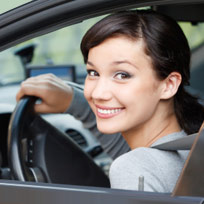
That is why one of the most common questions families ask is: can my au pair drive, and is it safe?
The short answer is that many au pairs can legally drive in Australia, but you should never assume. Licence rules, insurance conditions and road safety all need checking before your au pair takes your children anywhere in your car. This guide covers what au pair driving in Australia involves, step by step: licences, insurance, child car seats, safety rules, a practical driving agreement, and what to do if something goes wrong.
This article provides general information only. Driving, licensing and insurance rules differ between states and territories and can change. Always confirm with your state road authority and your insurer.
The short answer
- Many au pairs can drive on a valid overseas licence, but the rules depend on the state or territory, the type of licence and the visa.
- Check the licence yourself. Make sure it is valid, in the correct class, and that you understand any translation or International Driving Permit requirement.
- Call your car insurer before the au pair drives. Some policies exclude, limit or add extra costs for young, inexperienced or overseas-licensed drivers.
- Practise first. Do a supervised drive on local roads before the au pair drives alone, especially if she is not used to driving on the left.
- Child safety comes first. Use the right child restraint and agree clear rules about phones, alcohol, speed and passengers.
- Put it in writing. A short driving agreement protects everyone.
- It is fine to say no. If your au pair lacks confidence or experience, you can ask her not to drive the children, and plan around it.
Why driving matters so much for au pairs in Australia
Australia is a large country with long distances and, in many suburbs and regional areas, limited public transport. Families often ask au pairs to help with:
- School drop-offs and pick-ups
- Sports training and weekend games
- Playdates and birthday parties
- Medical or dental appointments
- Grocery shopping and errands
- Driving herself to English classes or social activities
For a family, an au pair who drives can mean more flexibility. For an au pair, being able to drive can mean more independence and a better experience. But driving also carries the highest everyday risk of any task an au pair does. A car accident can seriously harm children, so it deserves careful thought.
If you want to learn more about the tasks au pairs typically do, see au pair tasks and our page on typical daily activities.
Step 1: Decide whether your family really needs a driving au pair
Before you look at licence rules, ask yourself:
- How often would she need to drive? Daily school runs, or occasional errands?
- How far? Short suburban trips, motorways, or long country roads?
- What kind of vehicle? A small automatic car, a large SUV, a manual, or a vehicle with a tow bar?
- What passengers? One older child, or a baby and several children?
- What conditions? City traffic, school zones, rural roads, wildlife, dirt roads, or heavy rain?
- Are there alternatives? Walking, public transport, school buses, carpooling or a family member doing certain runs.
Many families choose a non-driving au pair for placements in well-connected areas, and a driving au pair only where transport is essential. Be honest about this when you register, because it affects matching. You can register as a host family and tell us your driving needs from the start.
Step 2: Understand the licence rules
Can an au pair drive on her overseas licence?
Most au pairs in Australia hold a Working Holiday (subclass 417) or Work and Holiday (subclass 462) visa. Generally, visitors on temporary visas can drive on a valid overseas licence, but the details matter. Rules vary between states and territories, and they can change, so please check the official website of your state or territory road authority (for example Transport for NSW, VicRoads, or the Queensland Department of Transport and Main Roads).
These are the main points to confirm.
1. The licence must be current and valid.
An expired, suspended or disqualified licence is not acceptable. If an au pair’s licence expires while she is in Australia, she cannot continue to drive on it.
2. She must carry it every time she drives.
Overseas visitors are generally required to have their overseas licence with them at all times when driving and to show it to police if asked.
3. If the licence is not in English, extra documents are required.
If a licence is not in English, the driver needs either an official English translation or an International Driving Permit (IDP). The specific requirements differ slightly by state, and for translations many authorities require an accredited translator (often NAATI-accredited). An IDP is only valid when carried together with the original licence from the same country that issued it.
4. Some states have time limits.
For temporary visa holders, some states allow driving on an overseas licence for as long as it stays valid, while others have time limits or conversion rules for people who stay for a longer period. For example, sources we reviewed indicate that New South Wales has particular rules after six months of continuous residence for temporary visitors, and rules for permanent residents are different again. Because the rules vary and have been changing, confirm the current position for your state before the au pair starts.
5. The licence class must match the vehicle.
A car licence is normally needed for a standard passenger car. A motorbike, a larger vehicle or a vehicle carrying many passengers may need a different class.
6. Learner and provisional licences may carry restrictions.
If the au pair holds a learner, provisional or probationary-type licence from her home country, ask the state road authority whether restrictions apply in Australia, such as supervision requirements, passenger limits or zero alcohol limits.
What documents should you see and copy?
Before the au pair drives, ask to see and keep a record of:
- Her original driving licence (front and back)
- Any International Driving Permit or official translation
- Her passport and visa details
- The licence’s expiry date (add a reminder to your calendar)
Au pairs applying through us are asked to supply a copy of their licence. Always check the original document in person after she arrives, as copies can be out of date.
What about au pairs who do not have a licence?
Some au pairs have no licence, or have only just passed their test. That is fine for many families, but she should not drive your children until she has the right licence and, ideally, a good level of experience. Never let an unlicensed au pair drive “just this once.”
Should an au pair get an Australian licence?
Most do not need to, but for au pairs staying many months who plan to drive often, converting or obtaining a local licence may be possible or required depending on the state. Check the rules for the state and her visa.
Step 3: Check the au pair’s real driving experience
A valid licence is not the same as being a confident driver. Many au pairs come from countries with different traffic rules, vehicles and road conditions. Some may only have held a licence for a few months.
Questions to ask during your interview
- How long have you had your licence, and how often do you drive?
- Do you mostly drive in cities, towns, or on country roads or motorways?
- Have you driven an automatic car? A manual car? A large SUV or van?
- Have you ever driven on the left side of the road?
- Have you had any accidents or fines? How did you handle them?
- Have you driven with children in the car? What do you do to keep them safe?
- How comfortable do you feel about driving in a new country?
You can find more ideas in our family interview guide and in top things for an au pair interview.
Look for honest answers. An au pair who says “I’m not confident yet, and I’d like to practise first” is safer than one who says “no problem” to everything. Remember to ask about and take seriously any hesitation. See also our guide on red flags and green flags when choosing an au pair
Step 4: Insurance, before she drives
This is the step many host families skip, and it can be expensive. Do not assume your car insurance automatically covers an au pair.
Call your insurer first
Tell your insurer that you plan to let an au pair drive your car, and ask:
- Is she covered as a driver? Some policies cover any licensed driver, while others only cover named drivers or drivers above a certain age.
- Does her overseas licence count? Ask whether the policy recognises an overseas licence.
- Are there age or experience restrictions? Policies often restrict drivers under 25 or drivers who have held a licence for a short time.
- Is there an extra excess (the amount you pay on a claim)? Young or inexperienced driver excesses can be significant.
- Does the cover include driving for work-related tasks? Ask whether school runs, errands and children’s activities are covered. This is normally fine, but confirm.
- Does the policy include children as passengers? This is usually not a problem, but ask.
- Will the premium change? You may need to add her as a driver.
Get confirmation in writing (email is fine) so that you know exactly what is covered.
Compulsory third party (CTP) insurance
In Australia, compulsory third party insurance is attached to the vehicle’s registration and generally covers injury to other people in an accident, depending on the state. Schemes differ between states and territories and do not cover damage to vehicles or property. Do not rely on CTP alone, and ask your insurer or registration authority how it applies.
Comprehensive and third party property insurance
Think about whether you hold:
- Comprehensive insurance (covers damage to your car and other vehicles)
- Third party property damage (covers damage to other people’s vehicles and property)
If an au pair is involved in an accident and your insurer refuses the claim because she was an excluded or unlisted driver, you could face large costs.
What if she uses a different car?
If she borrows a friend’s car or drives a rental car, she must be covered by that vehicle’s policy. Make clear in your driving agreement that she may only drive your family’s car, unless you give permission.
Health and travel insurance for the au pair
Au pairs also need appropriate health and travel insurance for themselves, because most are not covered by Medicare. This helps if she is injured in an accident. See our house guidelines for au pairs and what to expect.
Step 5: Prepare the au pair for Australian roads
Even a skilled driver may need time to adapt. Australian roads can be very different from what she is used to.
Driving on the left
Australians drive on the left side of the road, and the driver sits on the right side of the car. This is the biggest change for au pairs from Europe, Asia and North America. Common mistakes include:
- Turning into the wrong lane
- Looking the wrong way at junctions
- Hitting the indicator instead of the windscreen wipers (the controls are reversed in many cars)
- Drifting to the wrong side after a quiet stretch or at a car park exit
Roundabouts, give way rules and school zones
- Roundabouts are very common. Drivers give way to vehicles already in the roundabout, coming from the right.
- Speed limits change often, and school zones have strict reduced speed limits at set times.
- Be clear about which roads and areas are particularly busy or tricky near your home.
Speed cameras, fines and demerit points
Australia has fixed and mobile speed cameras, red light cameras and other enforcement. Fines are common and can be high. For overseas drivers, penalties vary, but you should still make it clear that fines are the driver’s responsibility if agreed in your driving agreement. If a fine arrives for your registered vehicle, you may have to nominate the driver.
Country and regional driving
If you live in a regional or rural area:
- Wildlife such as kangaroos and wallabies is most active at dawn and dusk. Collisions can be severe.
- Fatigue is a real danger on long distances, so recommend breaks.
- Unsealed roads need slower speeds and extra care.
- Weather such as heavy rain, fog, dust or floods can change conditions quickly. Never drive through floodwater.
Parking, tolls and fuel
Show her how to pay for parking, how toll roads work in your city (many are electronic, with an e-tag or pass), and where the nearest petrol station is. Explain who pays for fuel, tolls and parking.
The vehicle itself
Spend time showing her:
- How to adjust the seat, mirrors and seatbelt
- The controls (lights, wipers, indicators, handbrake, parking sensors)
- How to fit and adjust child restraints
- What the dashboard warning lights mean
- Where the fuel type is shown (petrol, diesel, premium)
- Where the spare tyre and tools are, and who to call for roadside assistance
Step 6: Do a supervised practice drive
Before the au pair drives the children, go for a drive with her, without children in the car, on the roads she will actually use.
A suggested plan
A quiet-street drive in the first few days. Let her get used to the car and to driving on the left.
A typical weekday route at a normal time, such as the school run, with you in the passenger seat.
A longer or busier route if she will need to drive on a motorway or in heavy traffic.
Feedback and a decision. Discuss how it went. If she seems uncomfortable, repeat the practice or agree that she will not drive the children yet.
Use the practice drive to watch for:
- Awareness of mirrors, blind spots and other road users
- Smooth braking and acceleration
- Safe following distances
- Understanding of speed limits and school zones
- Calm reaction to unexpected situations
- Confidence with parking and reversing
Trust your judgement. If you do not feel comfortable, you do not have to hand over the keys. It is better to delay driving than to risk an accident.
Step 7: Child safety in the car
This is the most important part of au pair driving.
Child restraints (car seats and boosters)
Australian law requires children to use an approved child restraint that suits their age and size. Rules differ slightly by state and territory, but in general:
- Babies must travel in a rear-facing restraint
- Toddlers and young children use forward-facing restraints with a harness
- Older children use booster seats until they are big enough for an adult seatbelt
- Young children are restricted from sitting in the front seat
Please check the exact age, height and seating requirements with your state or territory road authority, because details vary and change.
Make sure your au pair knows how to:
- Fit and remove the car seat or booster correctly
- Adjust harness straps to the child’s size
- Check that the seatbelt and straps are not twisted
- Buckle every child in, every trip, without exceptions
Practise this with her, because incorrectly fitted car seats are very common. Many local councils, motoring clubs and child restraint fitting services offer free or low-cost checks.
Rules about passengers and cargo
- Everyone must wear a seatbelt or use the correct restraint.
- No more passengers than there are seatbelts.
- Children must not sit in the boot, on laps or in unrestrained positions.
- Keep loose objects such as bags, toys and shopping secured.
Never leave children alone in the car
It is dangerous and illegal in many states, especially in warm weather. Explain that she must never leave a child unattended in a parked vehicle, even for a short time.
Mobile phones and distractions
Australian states have strict laws on mobile phone use while driving, and penalties can include heavy fines and demerit points. As a rule, set a simple house rule:
- Phone away and on silent while driving.
- No texting, calling, scrolling or checking maps by hand.
- If she needs navigation, use a legal mounting set-up and set the destination before driving.
- Do not let children distract her. If a child needs help, she should stop safely.
Alcohol, drugs and tiredness
- Zero alcohol is the safest and simplest rule for au pairs who drive your children. Many Australian drivers, including learner and provisional drivers, have zero limits, and full licence holders have a legal limit that can be reached more easily than people think.
- No driving after drugs or medication that cause drowsiness.
- No driving when tired. Late nights before work days can be risky.
See house rules for au pairs and au pair’s curfew.
Speed and style
Agree on a simple “calm driver” approach: obey speed limits, leave plenty of space, avoid sudden moves, and never drive aggressively, especially with children in the car.
Step 8: Write a simple driving agreement
A one-page driving agreement avoids many misunderstandings. You can include it in your au pair contract or house rules. It might cover:
Licence and documents
- The au pair confirms her licence is valid and agrees to carry it whenever she drives
- She will tell you immediately if her licence expires, is suspended or changes
Use of the car
- When and for what purposes she may use the car (children’s activities, errands, personal use)
- Whether she may use it for personal trips, and if so, any limits on distance, time and passengers
- Whether she may carry friends as passengers
Costs
- Who pays for fuel, tolls, parking and cleaning, and how
- Who pays fines for speeding, parking, red lights or other offences
- What happens with insurance excess if there is damage
Safety rules
- Child restraints used for every trip
- No phone use while driving
- Zero alcohol and drugs before driving
- No driving when tired or unwell
- No driving in dangerous weather without checking with you first
Accidents and breakdowns
- What to do (see below)
- Who to call, and emergency numbers saved in her phone
Review period
- A trial period of a few weeks, with an agreed review, before she drives independently
Write it in clear, simple English, go through it together and both sign. See also contract, salary and conditions and au pair pocket money for how costs are usually handled.
Step 9: What to do if there is an accident or breakdown
Give your au pair a printed card and a phone note with these steps.
If there is an accident
Stop safely and turn on hazard lights. Check that everyone is safe.
Call 000 if anyone is hurt or in danger, or if the road is blocked.
Care for the children first. Keep them calm and in their seats unless there is immediate danger.
Call the parents. Share the location and what has happened.
Exchange details with the other driver: names, addresses, phone numbers, licence details, vehicle registration and insurance information.
Take photos of the scene, vehicles and damage, if safe.
Do not admit fault or sign anything. Report only the facts.
Report the accident to the police where required (rules differ, for example if someone is injured or vehicles cannot be driven).
Contact the insurer as soon as possible.
Seek medical help for the children even if they appear fine, as some injuries show up later.
If the car breaks down
- Move to a safe place if possible and turn on hazard lights.
- Keep the children in the car if it is safe, or move them to a safe place away from traffic.
- Call roadside assistance and the parents.
- Do not accept lifts from strangers.
Keep a small emergency kit in the car: water, a phone charger, a torch, first aid kit and a copy of insurance and roadside assistance numbers.
Au pair driving in different parts of Australia
Big cities (Sydney, Melbourne, Brisbane)
Traffic, tolls, tram lines (in Melbourne), bus lanes, clearways and complicated parking rules can be challenging. Many families in well-served suburbs prefer public transport for some tasks. See our pages on au pair in Sydney, au pair in Melbourne and au pair in Brisbane, and our overview of main cities.
Suburbs and regional towns
Driving is often essential. Distances are longer, and children’s activities may be spread across several locations. Practise routes carefully.
Rural and remote areas
Extra preparation is important: wildlife, long distances, limited mobile reception, fuel availability and unsealed roads. Only choose an au pair who is confident and experienced, and make sure she knows basic car checks.
Common mistakes host families make
Assuming insurance covers the au pair. Always check, and get it in writing.
Skipping the practice drive. A licence is not a guarantee of safe driving.
Not checking the licence. Look at the original document, the expiry date and the class.
Unclear rules. If you do not say who pays for fines or fuel, disagreements can follow.
Overloading the au pair. Constant driving, long hours or tired driving increases risk.
Incorrect car seats. Make sure they are properly fitted and suited to each child’s age and size.
Pressuring a nervous au pair. If she is not comfortable, do not push her. Give her time, or find another solution.
Forgetting to update the arrangement. Review the driving agreement after a few weeks and whenever things change.
Tips for au pairs who will drive in Australia
If you are an au pair reading this:
- Check your licence rules before you travel. Bring your original licence, and an International Driving Permit or official translation if needed.
- Tell your host family honestly about your driving experience, and ask for a practice drive.
- Never drive the children until you feel ready. It is okay to say you need more time.
- Follow the rules: speed limits, seatbelts, child seats, no phone, no alcohol.
- Learn the local road rules. Your state road authority has free guides.
- Stay calm and focused, especially in the first weeks.
- Ask questions whenever you are unsure.
Our page on useful tips for au pairs and our visa information can help you prepare.
How an agency can help
Matching families with au pairs who can drive, and making sure they are the right fit, is part of what an au pair agency can do. At Au Pair Australia we:
- Ask au pairs for details and copies of their licence, plus references. See our screening process.
- Discuss driving experience and confidence during interviews.
- Help families set clear expectations in the contract and house rules.
- Support you if your au pair is not comfortable driving or if a problem arises. See what to do if it doesn’t work out.
Please remember that you remain responsible for your own insurance, car and safety rules. Read more about host family requirements and information for host families in Australia.
Frequently asked questions
Can an au pair drive in Australia?
Many can, on a valid overseas licence, if they meet the rules of the state or territory where they live. Always check the licence, translation or International Driving Permit requirements and any time limits with your state road authority.
Does an au pair need an Australian driving licence?
Often not, as visitors on temporary visas can generally drive on a valid overseas licence, but rules differ by state and can change. Some states have particular requirements after a period of residence. Check the current rules before the placement starts.
What if her licence is not in English?
She will need either an International Driving Permit or an official English translation, and must carry it with her original licence while driving. An IDP is only valid together with the original licence from the issuing country.
Is my car insurance valid if my au pair drives?
Not necessarily. Some policies exclude or restrict young, inexperienced or overseas-licensed drivers, or charge higher excesses. Call your insurer first and ask for confirmation in writing.
Who pays for fines?
The driver is normally responsible for fines they cause, but the notice often goes to the vehicle’s registered owner. Agree in advance, in writing, who pays and how fines will be handled.
Can my au pair drive my children if she has only just passed her test?
It is possible, but be careful. Inexperienced drivers have higher crash risks. Do a supervised practice and consider starting with short, easy trips, and be ready to say no if you are not comfortable.
Is it okay if my au pair doesn’t drive?
Yes. Many placements work well without driving, especially in city areas with good public transport or where school and activities are within walking distance.
What car seat rules apply?
Children must use an approved restraint suited to their age and size, and rules differ by state. Check your state road authority and make sure the au pair knows how to fit and use the restraint correctly.
Can my au pair use the car for her own trips?
That is up to you. Agree in advance whether personal use is allowed, when, how far, who pays and who may travel as a passenger.
What if my au pair has an accident?
Make sure everyone is safe, call 000 if needed, care for the children first, exchange details, take photos, and contact you and your insurer. Give her a printed accident card in advance.
Should I let my au pair drive on country roads?
Only if she has the experience and confidence. Rural roads carry extra risks, including wildlife, fatigue and unsealed surfaces. Consider extra practice and a shorter first trial.
Where can I get official information?
Your state or territory road authority for licences and road rules, your insurer for cover, and the Department of Home Affairs for visa conditions.
Conclusion
Au pair driving in Australia can be a big help for busy families, but it is also the area where good preparation matters most. Check the licence, confirm your insurance, practise together, use the right child restraints, agree on clear safety rules and put it all in writing.
Remember that it is perfectly fine for an au pair not to drive, or to start slowly. A cautious start protects your children, your au pair and your family’s peace of mind.
If you would like help finding a screened au pair who is the right fit for your family’s transport needs, register as a host family or contact us. We look forward to helping you find an au pair for your family anywhere in Australia.
This article provides general information only and is not legal, insurance or road safety advice. Licensing, insurance and road rules differ between states and territories and change over time. Please check current information with your state road authority, your insurer and the Department of Home Affairs.